5 Steps of "Repair, Strengthen, Build": Restoring Building Structures after an Earthquake with Technology from CPAC
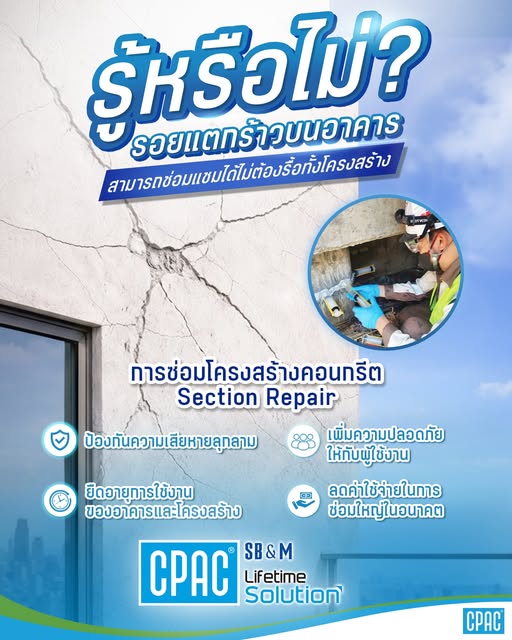
After an earthquake with widespread impact, many buildings need inspection and structural restoration so they can continue to be used safely. CPAC SB&M Lifetime Solution presents a widely used 5-step approach to repairing, strengthening and rebuilding building structures after a disaster, combining Japanese know-how with experience in Thailand.
Step 1 — Survey and Assess the Structure
The work starts with a visual inspection and specialised measuring tools to locate damage, measure crack widths, check for deformation and assess material deterioration. The engineering team compiles the data into an analysis report used to plan the next steps.
Step 2 — Prepare the Surface and Remove Damaged Sections
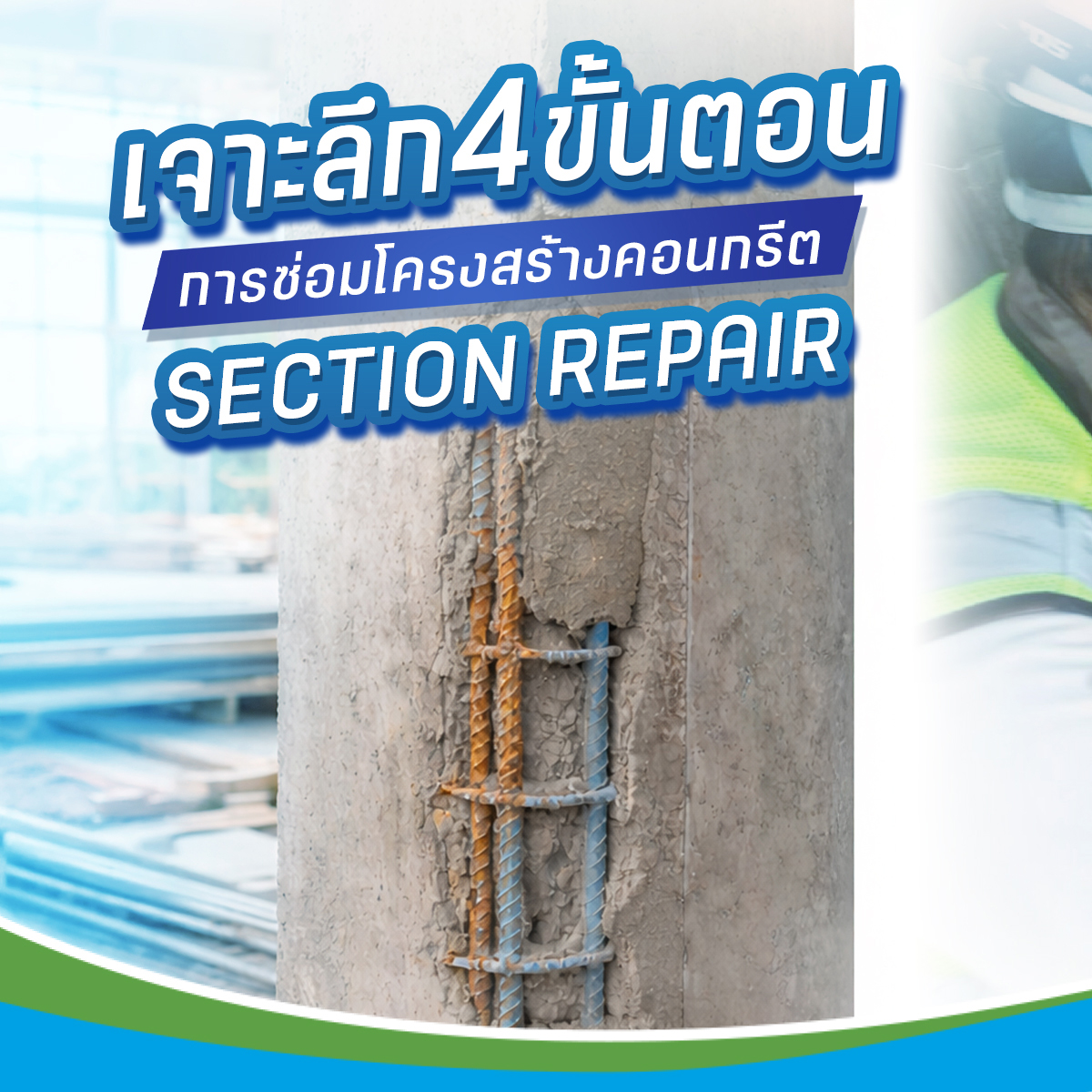
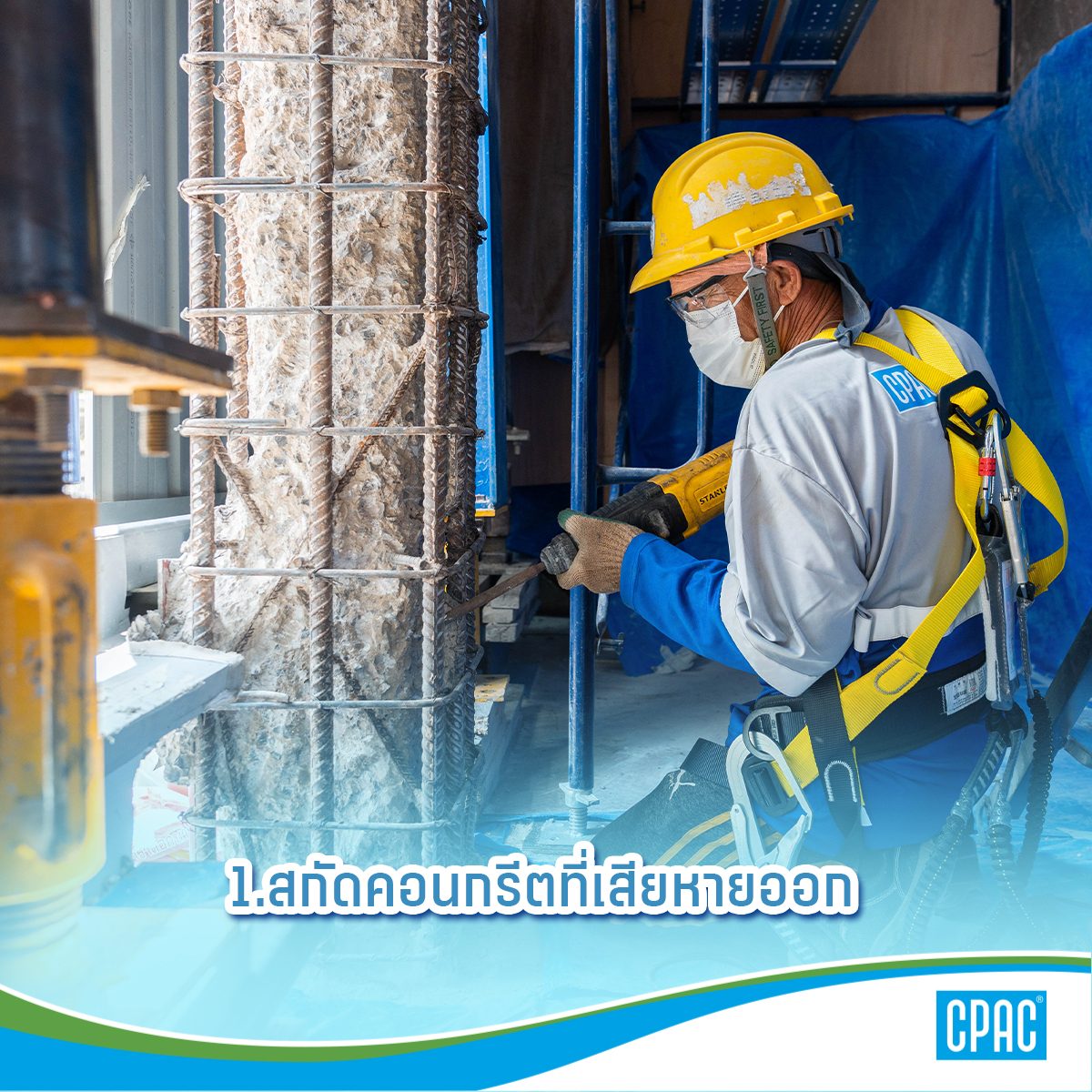
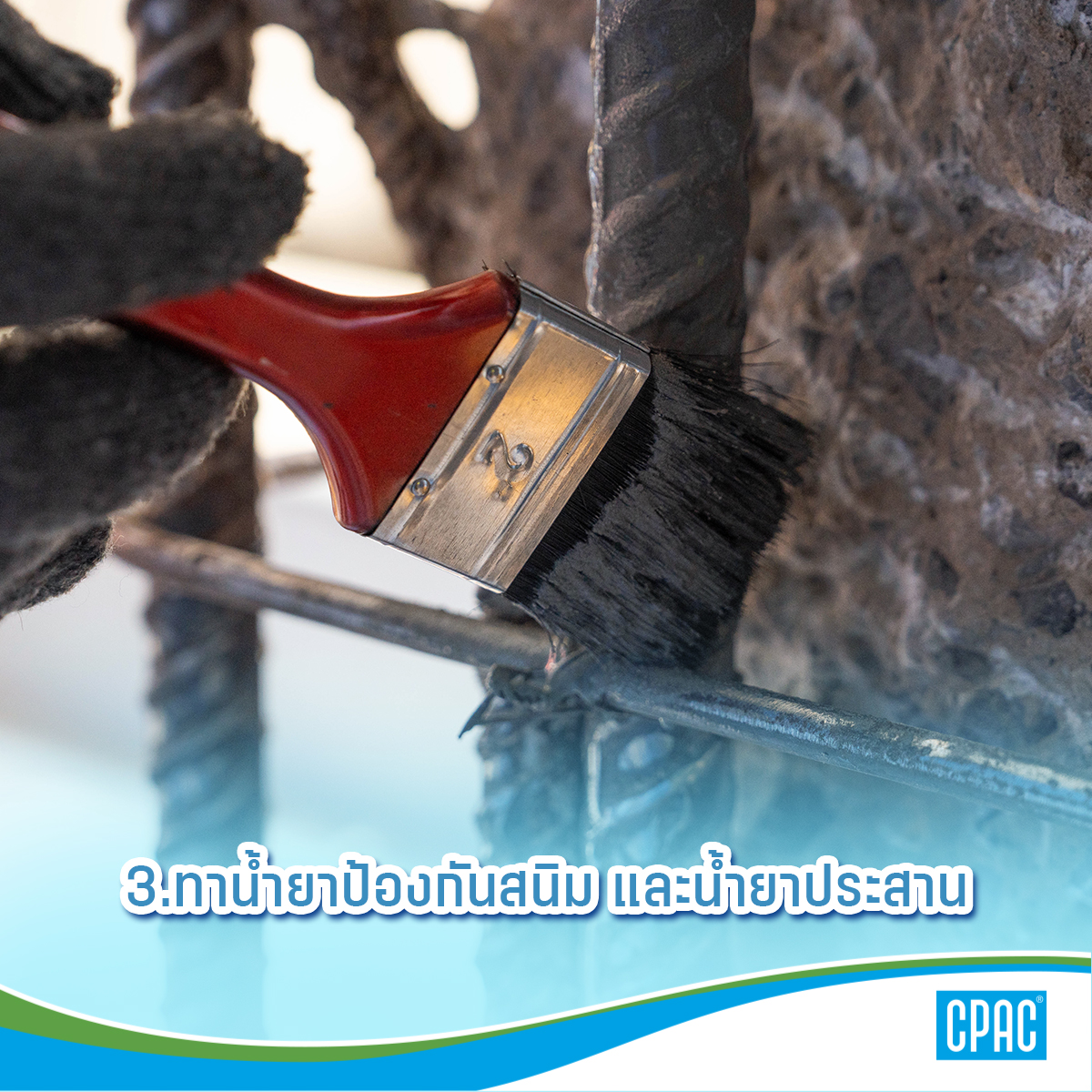
Once the assessment is complete, the team removes damaged concrete, cleans the reinforcing steel and prepares the surface to receive repair materials. This step is the foundation of high-quality, durable repair work.
Step 3 — Repair with High-Quality Materials
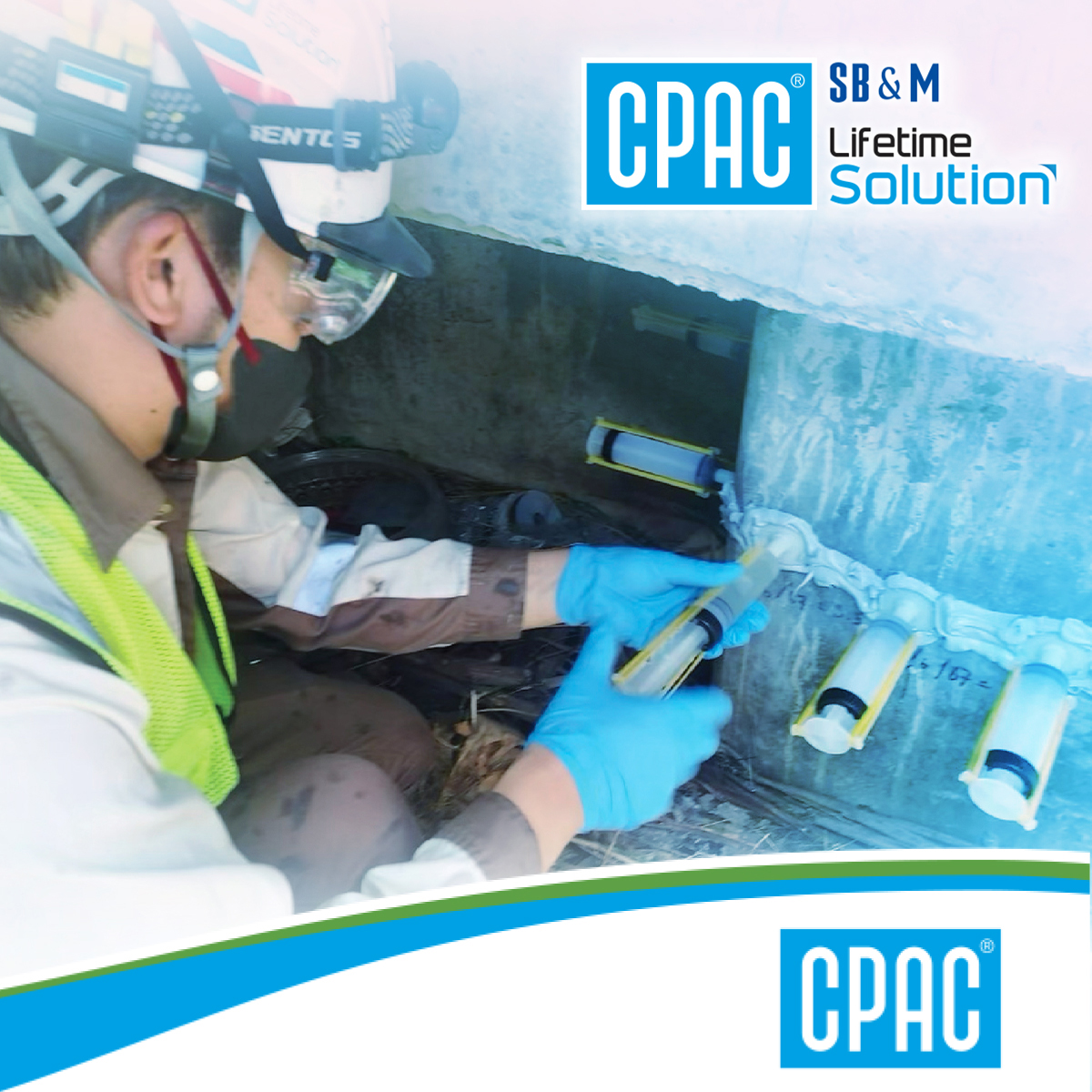
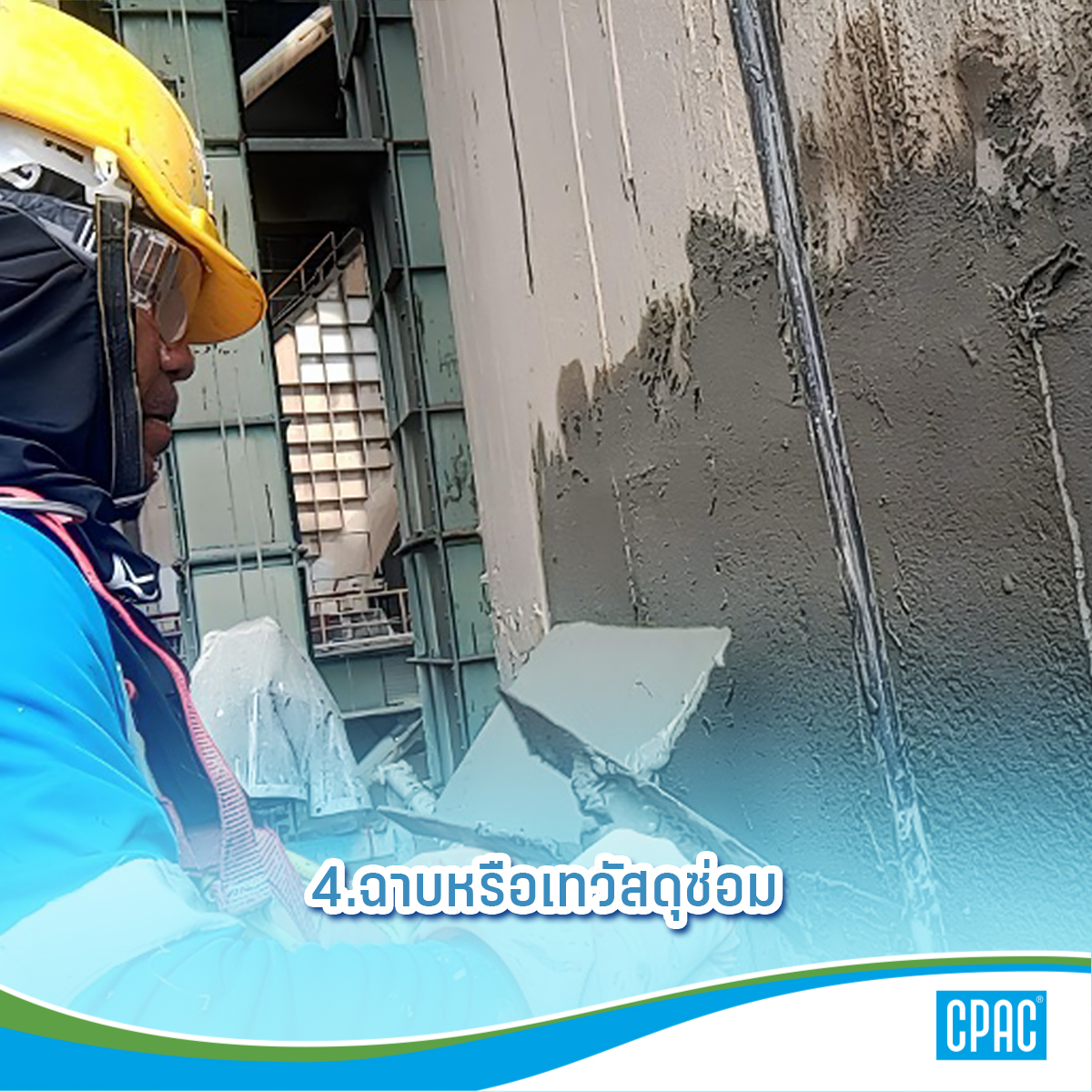
Specialised, standard-certified repair materials from CPAC SB&M are used, such as high-strength mortar, epoxy injection for cracks, and grouting for voids inside the structure. These materials are designed to bond completely with the existing concrete.
Step 4 — Strengthen with CFRP Technology
For structures that need additional strength, the CFRP (Carbon Fiber Reinforced Polymer) system increases flexural, shear and compressive capacity. It is lightweight, quick to install and does not disrupt the use of the building. The technology has been proven over more than 60 years of infrastructure maintenance in Japan.
Step 5 — Protect and Monitor over the Long Term
Once repair and strengthening are complete, the final step is a protective coating that shields the concrete from moisture, chemicals and corrosion, together with a periodic inspection plan so the building stays safe and serviceable over the long term.
Summary
Restoring a structure after a disaster is not just about "repairing" what was damaged; it is an opportunity to "raise the standard" of the structure so it is ready for future events. With these 5 steps and the specialist team at CPAC SB&M Lifetime Solution, your building will be strong, safe and ready for use for the long term.